
Poland and Germany argued over €6.6 billion for Ukraine: what is happening around the European Peace Fund
/ 11 June 2026 13:26
2 min to read
The European Union is in a heated debate over the further use of 6.6 billion euros from the European Peace Facility (EPF), access to which was restored after Hungary lifted its long-standing veto on payments.
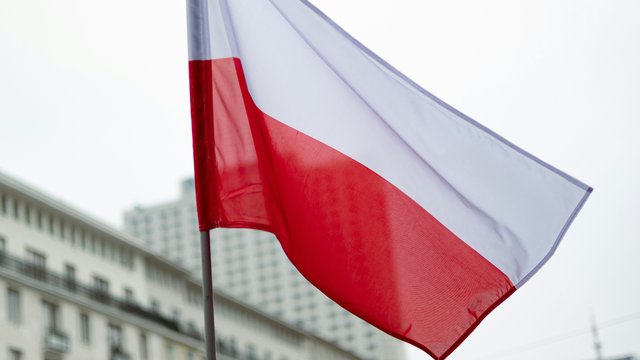
The dispute was sparked by different approaches among member states to how these funds should be used. Germany insists that all the unblocked money be directed directly to supporting Ukraine. In return, Poland is demanding full reimbursement for the weapons already transferred to Kyiv.
Poland’s Deputy Defense Minister Cezary Tomczyk said that Warsaw expects to receive compensation of about 450 million euros for military assistance provided to Ukraine.
“This money is our money,” the Polish official stressed, adding that reducing compensation would mean less funding for the modernization of the Polish army.
Berlin, for its part, is convinced that the fund’s funds should primarily be used to strengthen Ukraine’s defense capabilities. German Deputy Defense Minister Sebastian Hartmann called for all unused resources of the fund to be directed to support Kyiv, emphasizing that the European Peace Fund was created as a mechanism of solidarity between EU states.
A compromise option was proposed by the EU High Representative for Foreign Affairs and Security Policy, Kaia Kallas. Her plan involves partial reimbursement of costs to member states, financing of a training mission for the Ukrainian military, as well as joint procurement of weapons for Ukraine. However, Poland categorically does not support such an approach.
Slovakia takes a similar position to Warsaw, which also demands a full refund of funds for weapons transferred to Ukraine. At the same time, Germany is supported by the Scandinavian countries, and France is inclined to the compromise option proposed by Kallas.
The issue has currently been submitted for further technical consultations between EU member states. After that, it should be considered by the ambassadors of the EU countries.
Despite disagreements over the mechanism for distributing funds, all parties confirm the need to continue military support for Ukraine and maintain European solidarity in the face of Russian aggression.
Without an author