
Russian-language brands on signs are not prohibited: the position of the language ombudsman
/ 9 April 2026 17:12
2 min to read
The law allows the use of TM in registered form
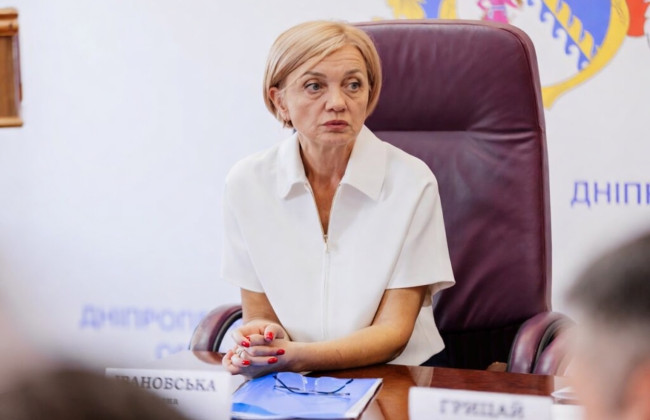
The Commissioner for the Protection of the State Language Olena Ivanovska explained that Ukrainian legislation does not prohibit the use of Russian-language trademarks in public spaces, in particular on signs.
According to her, in accordance with the Law of Ukraine “On Ensuring the Functioning of the Ukrainian Language as the State Language”, trademarks are used in the form in which they received legal protection. This means that the brand can be reproduced without changes – regardless of the language of its registration.
Requirements for business: Ukrainian is mandatory
At the same time, the Ombudsman emphasized that this rule does not cancel the general language requirements for business.
In particular:
all information for consumers must be in the state language
descriptions of services, activities and other inscriptions on signs must be in Ukrainian
the exception applies only to a registered trademark
Thus, the use of a foreign or Russian-language brand name is permissible, but the accompanying information must necessarily comply with language legislation.
The problem of Russian-language TMs remains relevant
Olena Ivanovska drew attention to the fact that in Ukraine there are still a significant number of trademarks with Russian-language names. Some of them do not comply with the norms of Ukrainian spelling, and sometimes even contain offensive vocabulary.
In her opinion, such a practice is atypical for developed countries and indicates the long-term impact of the Russification policy.
Business reputation is no less important than costs
The language ombudsman emphasized that the issue of changing brand names goes beyond purely financial costs.
“It is also about the reputation and responsibility of business to society,” she emphasized.
Despite the complexity of the re-registration procedures, businesses should take into account the public demand for the Ukrainianization of public space.
Without an author