
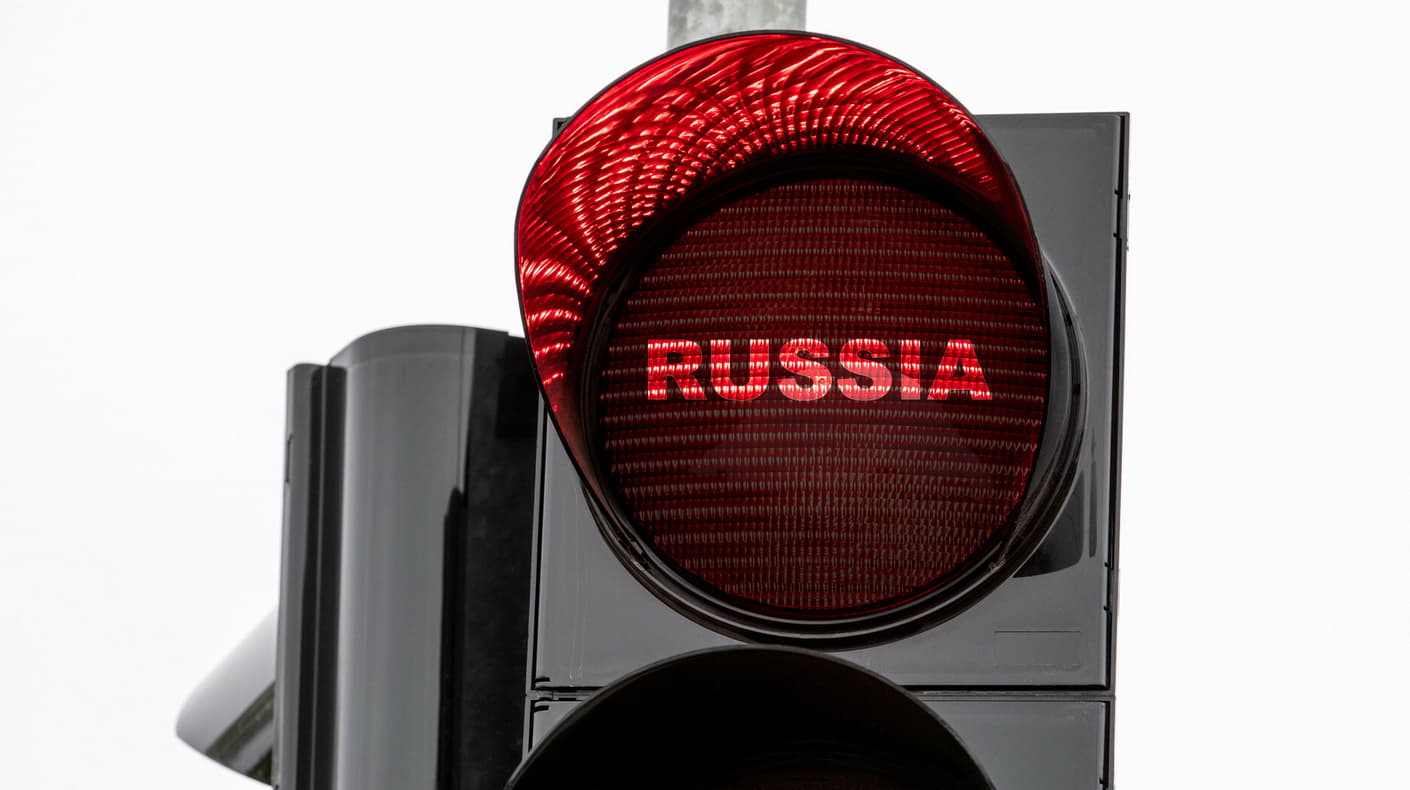
The EU has agreed on the 21st package of sanctions against Russia: banks, crypto companies and the “shadow fleet” will be subject to restrictions
/ 23 July 2026 13:30
2 min to read
European Commission President Ursula von der Leyen confirmed that the European Union countries have reached a political agreement on the introduction of the 21st package of sanctions against Russia. The new restrictions target the financial sector, oil trade and logistics, which helps the Kremlin circumvent existing sanctions.
New sanctions against the financial sector
According to Ursula von der Leyen, 32 more Russian banks will be included in the sanctions list. They will be banned from conducting financial transactions with European partners.
In addition, the new package includes restrictions on cryptocurrency companies, as well as platforms used to trade Russian oil.
The EU is increasing pressure on the oil sector
One of the key decisions was the extension of the price cap mechanism for Russian oil for another year.
Also, for the first time, sanctions will be applied to vessels that support Russia’s so-called “shadow fleet” – a network of tankers used to circumvent international restrictions on energy exports.
According to the President of the European Commission, the European Union has also taken an important step towards a formal ban on entry into EU countries for Russian military personnel.
Negotiations were difficult
According to sources, negotiations on the 21st sanctions package lasted several weeks and were accompanied by complex discussions between member states.
The final approval of the document is to be carried out through a written procedure, which is planned to be completed on July 23. This will allow for the timely continuation of the price cap mechanism for Russian oil.
Why Greece blocked the package
The main obstacle to the adoption of the new package was Greece’s position. Athens opposed a complete ban on European companies transporting Russian liquefied natural gas (LNG) to third countries.
As a result, the parties reached a compromise. European carriers were allowed to fulfill only those contracts for the transportation of Russian LNG that were concluded before February 24, 2022. At the same time, it will be prohibited to conclude new agreements or expand existing supplies.
The Council of the European Union will review these rules every year. According to the Financial Times, the opportunity to complete the performance of previously concluded contracts will be given, in particular, to the Greek shipping company Dynagas.
Without an author