
Ukraine proposes to reduce VAT on food, medicines and children’s goods to 5%
/ 15 September 2026 18:54
2 min to read
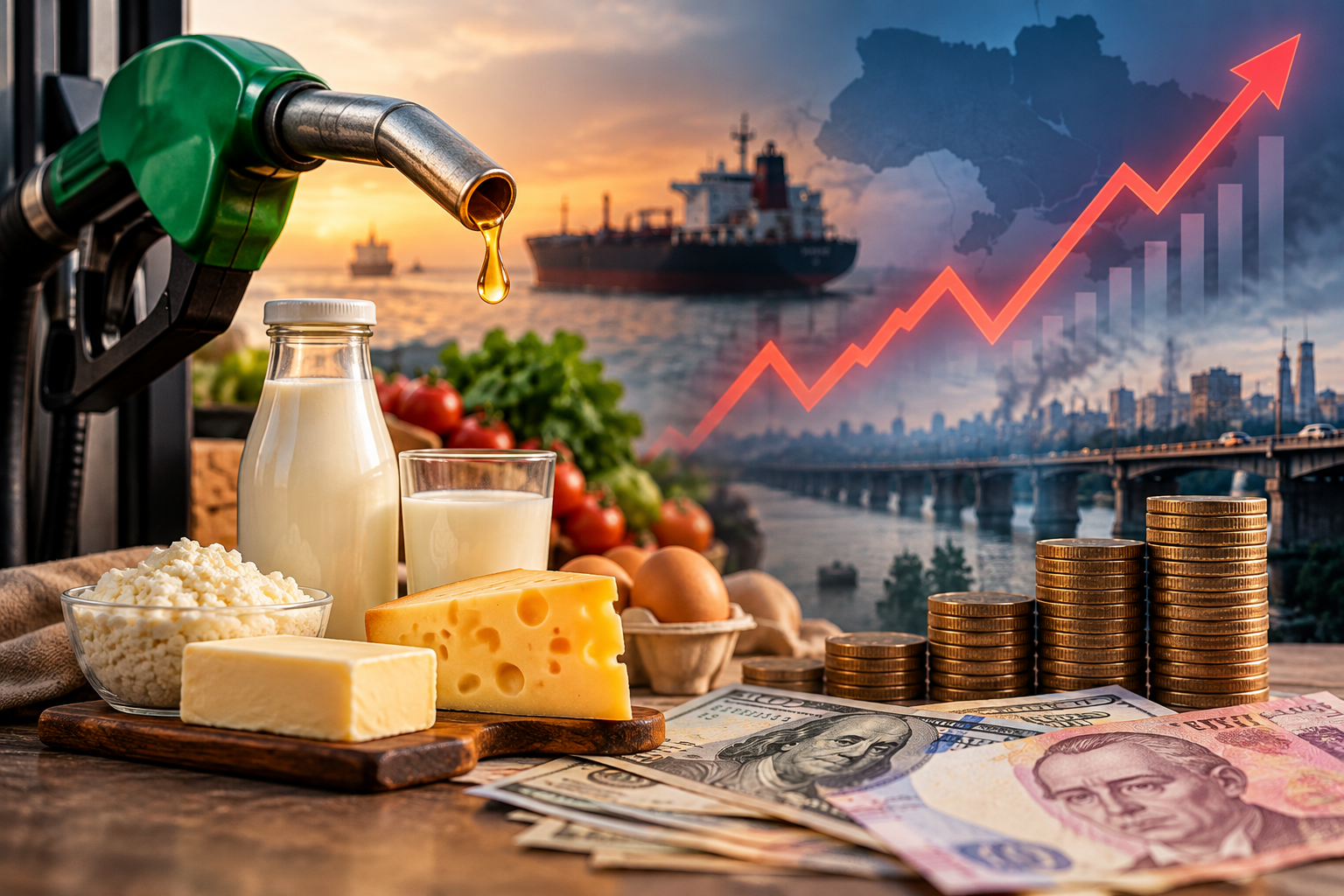
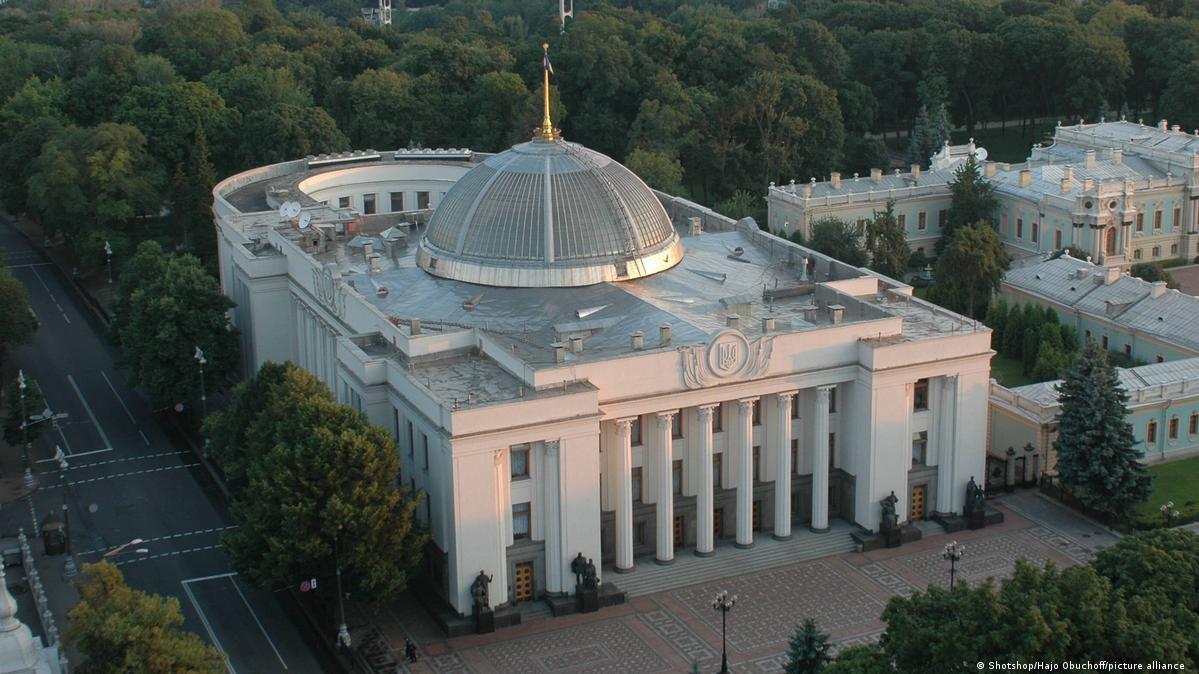
The Verkhovna Rada has registered draft law No. 16069, which provides for a reduction in VAT rates on a number of socially important goods. The changes may affect food, medicines, medical products, children’s goods, as well as equipment for autonomous and backup power supply.
The authors of the draft law explain the need for changes by the simultaneous increase in prices for essential goods and a decrease in the incomes of some Ukrainians in conditions of prolonged martial law.
Since VAT is actually included in the final cost of goods, its reduction, according to the initiators, should reduce the tax component of the price and make basic goods more accessible to the population.
On which products do they want to establish a 5% VAT
The draft law proposes to establish a 5% VAT rate for basic food products.
The list should include, in particular:
meat;
fish;
dairy products;
vegetables and fruits;
flour and cereals;
oil;
pasta;
bakery products.
Thus, if the document is adopted, the tax burden on a significant part of the food basket may be reduced.
VAT on medicines is also proposed to be reduced
Some changes concern medicines and medical devices. Currently, the VAT rate for them is 7%, but the draft law proposes to reduce it to 5%.
The preferential rate is also planned to be extended to medicines manufactured directly in pharmacies, food products for special medical purposes, certain sanitary hygiene products and children’s products.
Generators and backup power supply – VAT 7%
Another proposal concerns equipment needed by Ukrainians during power outages or complete shutdowns.
For such goods, it is proposed to establish a temporary VAT rate of 7%. The benefit should be valid until Ukraine becomes a full member of the European Union.
The authors of the legislative initiative note that the practice of reduced VAT rates on goods that meet the basic needs of the population is also used in European Union countries.
This is currently a draft law, so the proposed rates have not yet entered into force.
Without an author