
Ukraine wants to introduce criminal liability for fraud using artificial intelligence and deepfakes
/ 6 July 2026 17:12
4 min to read
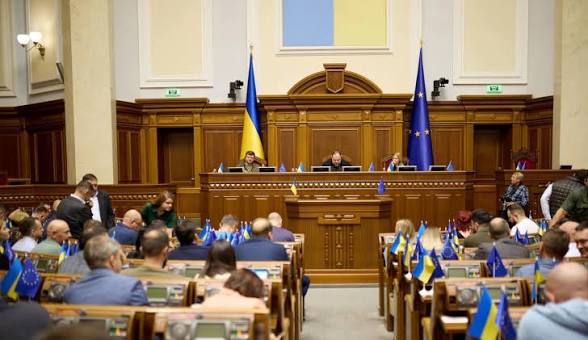
The Verkhovna Rada of Ukraine has registered draft law No. 15379, which proposes, for the first time at the legislative level, to define the use of artificial intelligence systems and deepfake technology as a method of committing fraud. If the document is adopted, such crimes will, as before, be punishable by imprisonment for a term of three to eight years.
The initiative is designed to adapt criminal legislation to modern cyber threats, as more and more fraudulent schemes are based on the use of generative artificial intelligence, fake votes, video and other digital technologies.
What the draft law proposes
The document provides for amendments to Article 190 of the Criminal Code of Ukraine (“Fraud”).
In particular, the authors of the draft law propose to replace the outdated wording about the use of “electronic and computing technology” with a more modern concept — the use of information and communication systems or artificial intelligence systems.
Thus, for the first time, the legislation will directly take into account the latest digital technologies as a possible tool for committing fraudulent acts.
Deepfakes will be defined in the Criminal Code for the first time
Another important novelty will be the appearance in the Criminal Code of a definition of artificial intelligence systems.
These are technologies that are capable of:
creating text, audio and video content;
generating forecasts or recommendations;
imitating the results of human intellectual activity.
Separately, the draft law defines the concept of deepfakes – technologies that allow creating fake:
faces;
voice;
text;
video recordings.
It is precisely such technologies that are increasingly used during telephone and Internet fraud.
The punishment will not change
Despite the expansion of the methods of committing the crime, the sanction of the article will remain unchanged.
Fraud committed using information and communication systems or artificial intelligence systems will be punishable by imprisonment for a term of three to eight years.
Why the changes were necessary
The authors of the bill explain the need to update the criminal legislation by the rapid spread of digital fraud.
According to the Prosecutor General’s Office, during 2025, 48,871 criminal proceedings were opened in Ukraine under Article 190 of the Criminal Code of Ukraine.
Although this figure is slightly lower than in 2023–2024, it is almost twice the level of fraud recorded before the start of the full-scale war.
Almost all card fraud occurs online
According to statistics from the National Bank of Ukraine:
83% of all fraudulent transactions with bank cards are carried out via the Internet;
the total amount of losses from cyber fraud in 2025 amounted to 1.4 billion hryvnias;
this is 24% more than a year earlier;
the average size of one fraudulent transaction increased to 5,536 hryvnias, which is approximately 30% higher than the previous indicator.
In addition, according to sociological research:
about 23% of Ukrainians have already encountered fraudulent schemes using artificial intelligence;
35% of adults have received fake content created by AI, including fake voice messages, videos with “relatives”, “managers” or advertising of fake investment platforms.
When can the new rules come into effect
If adopted by the Verkhovna Rada and signed by the President, the law will enter into force the day after its official publication.
After that, the Cabinet of Ministers of Ukraine will have one month to bring its regulatory legal acts into line with the new legislation.
It is also planned to involve specialists in the field of cybersecurity and digital expertise to analyze content created using artificial intelligence during the investigation of criminal proceedings.
If Bill No. 15379 is adopted, Ukraine will take another step towards adapting criminal legislation to modern technological challenges and combating the growing number of frauds that use the capabilities of artificial intelligence.
Without an author