

A participant in hostilities demanded that PrivatBank return over UAH 97,000 in interest: what the Supreme Court decided
/ 17 September 2026 16:57
3 min to read
The Supreme Court overturned the decision of the appellate court in the case of a combatant who demands that PrivatBank return over UAH 97,000 in interest paid on a credit card. The case was sent for a new hearing to the Court of Appeal.
The plaintiff appealed to the court back in July 2024. He requested that the bank be ordered to stop charging interest and fees, transfer previously paid funds to repay the loan principal, close the loan on the Universal Gold card, and also collect UAH 100,000 in moral damages.
He paid over UAH 97,000 for the loan
According to the case materials, in April 2015, the man signed a questionnaire-application for joining the terms of banking services. The interest rate was not indicated in it.
In 2020, he signed a new application, according to which the rate for the Universal Gold card was 40.8%, and in case of default – 81.6%.
The credit limit was UAH 21,860. The man used the card during 2015–2024. During this period, he was charged, and he actually paid the bank UAH 97,395.72.
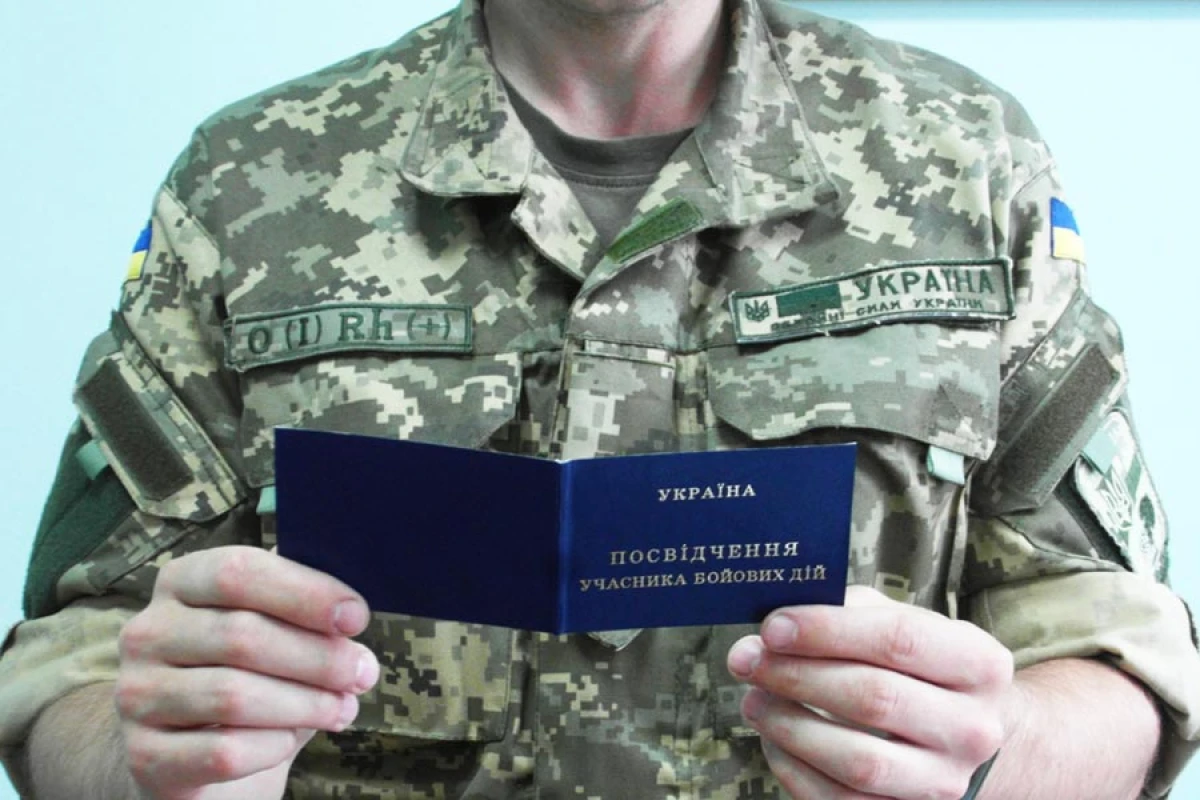
The plaintiff noted that he had the status of a participant in hostilities, and since August 2019 – a person with a disability as a result of the war. On this basis, he insisted on the application of the benefits provided for by law.
Lower courts dismissed the claim
The Kyiv District Court of Kharkiv in December 2024 completely refused to satisfy the man’s claim. The Kharkiv Court of Appeal in September 2025 changed the reasoning of the decision, but also dismissed the claim.
The plaintiff appealed to the Supreme Court.
What the Supreme Court decided
The panel of judges of the Civil Court of Cassation did not agree with the conclusions of the appellate instance.
The Supreme Court drew attention to the legal position of the Grand Chamber of the Supreme Court, according to which the debtor’s requirement to oblige the creditor to recalculate the debt may be an appropriate way to protect the right to peaceful possession of property.
The Supreme Court established that the appellate court did not take this position into account and did not examine all the circumstances that are important for the correct resolution of the dispute.
As a result, the cassation appeal was partially satisfied, the resolution of the Kharkiv Court of Appeal was canceled, and the case was sent for a new consideration to the court of appeal.
Thus, the Supreme Court did not make a final decision on the return of UAH 97,000 to the plaintiff – the issue must be reconsidered by the appellate court.
Without an author