
The EU Court confirmed the legality of freezing Russian assets hidden through trusts
/ 21 May 2026 18:12
2 min to read
Sanctions may also apply to assets indirectly linked to sanctioned individuals
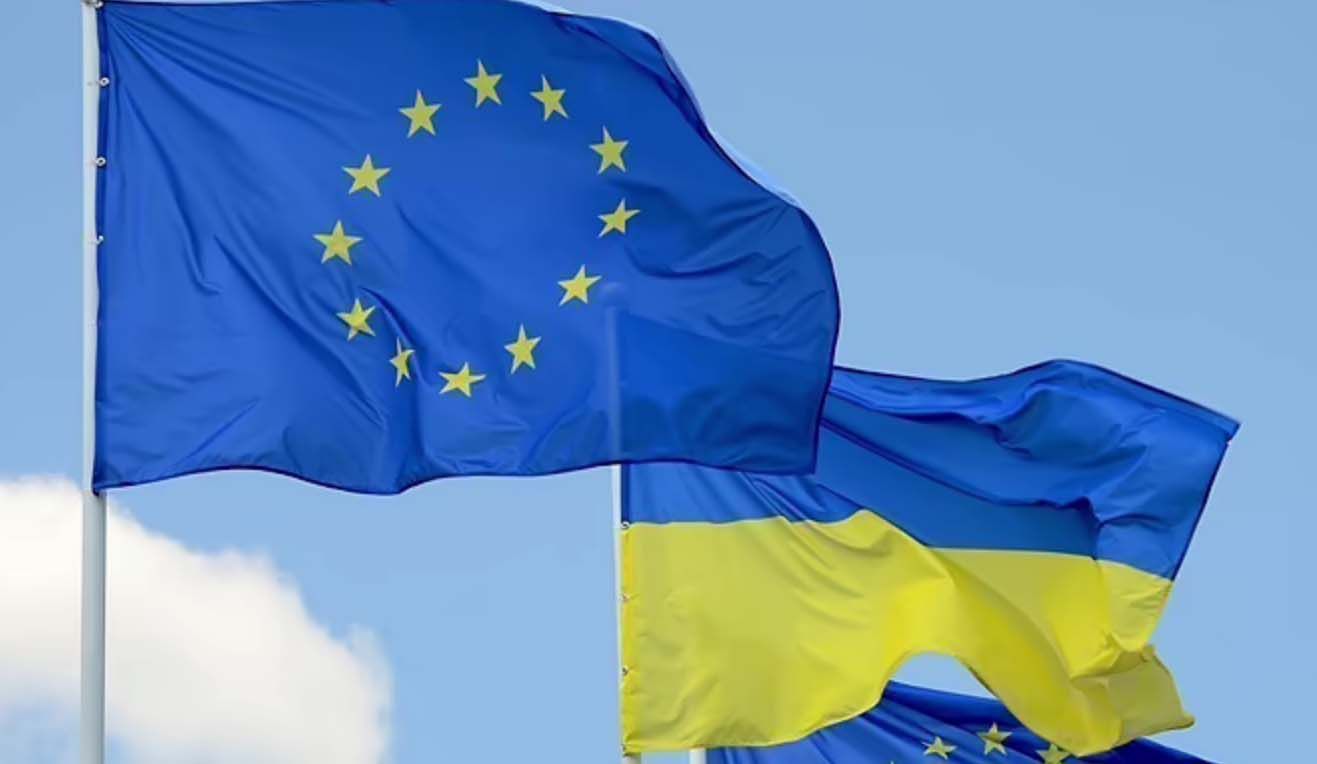
The Court of Justice of the European Union has confirmed that freezing the assets of sanctioned Russians is lawful even in cases where the property is held through trust structures and is not directly owned by them.
The relevant conclusions are contained in three judgments of the Court of Justice of the EU in cases involving Russian beneficiaries and complex asset ownership schemes.
The Court found it permissible to take into account actual control
The focus of the review was on assets held through companies and trusts in Bermuda, as well as yachts and corporate structures that did not formally belong to persons subject to EU sanctions.
However, the Italian authorities concluded that the sanctioned individuals effectively retained control or influence over these assets, after which they decided to freeze them.
The Court of Justice of the EU has upheld the position on “indirect control”
The Court of Justice of the EU has stated that the concepts of ownership and control in EU sanctions law should be interpreted broadly.
This does not only refer to a formal legal link with property, but also to any form of actual influence or control over assets.
The decision emphasizes that signs of such control may include:
— complex or opaque ownership schemes;
— trust structures;
— actual influence of beneficiaries on the management of assets;
— circumstances indicating an attempt to conceal the real owner.
What does this mean for sanctions practice
The Court of Justice of the EU’s decision effectively confirmed the right of Member States to freeze assets even in cases where sanctioned persons try to distance themselves from the property through offshore or trust mechanisms.
Lawyers note that such a position could significantly enhance the effectiveness of the EU’s sanctions policy against Russian businessmen and individuals associated with the aggressor state.
Earlier, the EU Court of Justice also confirmed the legality of restrictions on participation in shareholder meetings for sanctioned individuals.
Without an author