
The President of the Czech Republic called the “window of opportunity” for peace talks with Russia: after September the situation may escalate
/ 9 July 2026 19:00
2 min to read
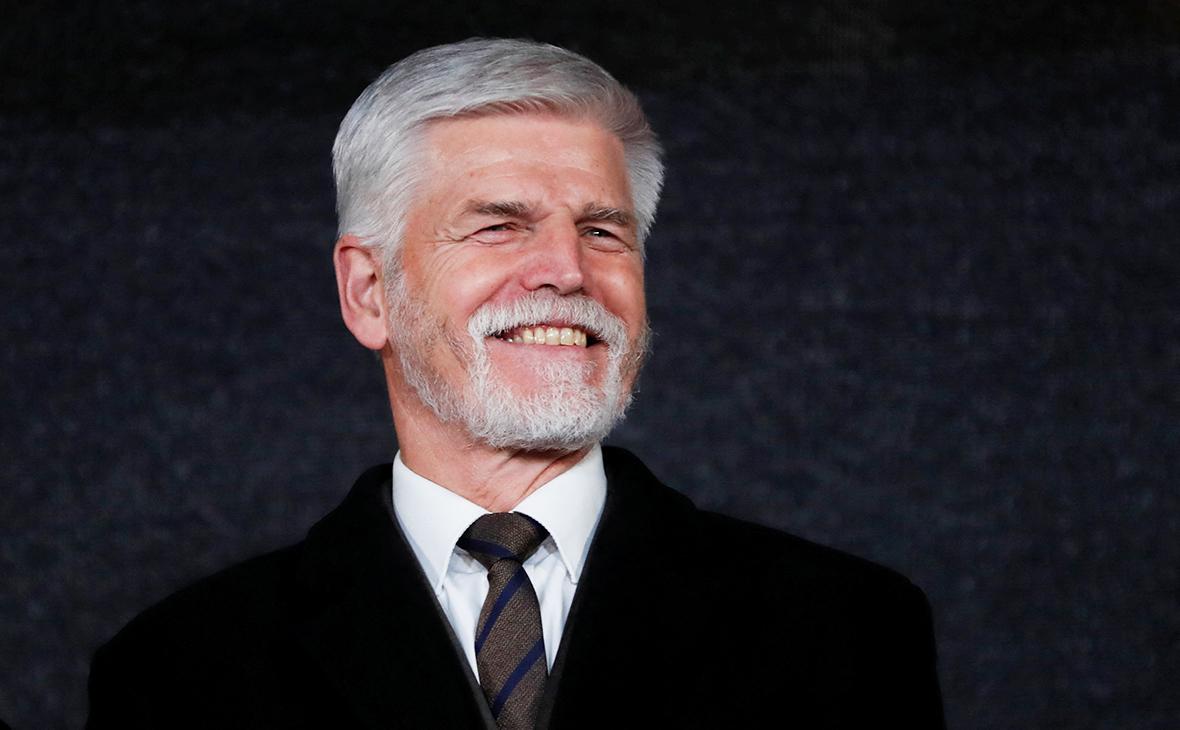
Czech President Petr Pavel said that Ukraine and its international partners have a limited time to increase pressure on Russia in order to resume peace talks. According to him, such a “window of opportunity” will last about two months, after which the risks of further escalation of the war may increase significantly.
The Czech leader said this in an interview with The Telegraph.
According to Pavel, the current situation creates favorable conditions for diplomatic pressure on the Kremlin. He is convinced that Ukraine’s allies should use this period to demonstrate to Russia their readiness for the negotiation process, while not weakening their support for Kyiv.
“I believe that we have a window of opportunity to continue to put pressure and give Russia a clear signal that we are ready to start negotiations,” the Czech President said.
At the same time, Petr Pavel suggested that after the elections to the Russian State Duma, which are scheduled for September 20, the Kremlin may resort to a new wave of mobilization.
In his opinion, the Russian leadership is unlikely to take such a step before the end of the election campaign, but after the vote, the situation may change dramatically.
“In September, parliamentary elections will be held in Russia. Putin is unlikely to announce mobilization before this, but as soon as the elections are over, this window of opportunity will narrow,” Pavel emphasized.
The Czech President also drew attention to the internal situation in Russia. According to him, public dissatisfaction with the war is gradually growing, and Ukraine’s successful strikes on military facilities in the deep rear of the Russian Federation are creating additional pressure on the Russian leadership.
According to the Czech leader, a combination of military, economic and political pressure can make Moscow more inclined to negotiate an end to the war.
Petr Pavel has previously repeatedly advocated a tougher international policy towards Russia. In particular, he called on NATO countries to increase sanctions pressure, consider cutting Russia off from international digital services and financial systems, and respond more decisively to violations of the airspace of Alliance member states.
Without an author