
The Verkhovna Rada adopted a law on individual heating points: when will Ukrainians have to install equipment
/ 21 July 2026 17:24
3 min to read
The Verkhovna Rada has adopted bill No. 14067, which provides for the phased introduction of individual heat points (ITP) in apartment buildings. The new requirements will not come into effect immediately – they will come into force only six months after the termination or cancellation of martial law.
The document is aimed at modernizing district heating systems and increasing their energy efficiency.
What will change
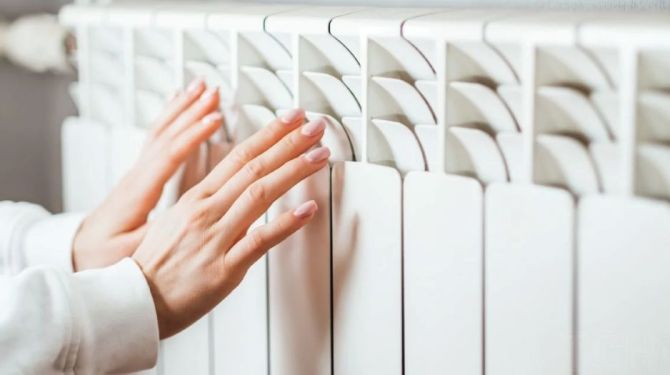
Instead of traditional heating units in houses, it is planned to install automated individual heat points that will independently regulate the supply of coolant depending on the air temperature.
It is expected that such a system will reduce heat energy consumption by 15–30%, reduce heat loss and avoid situations when apartments overheat during warm weather.
Will tariffs change in the near future
For most Ukrainians, the upcoming heating season will pass without changes.
The law does not provide for an automatic increase in heat tariffs, and Ukraine still has a moratorium on their increase for the population. The obligation to install individual heat points will arise only after the end of martial law and the end of a six-month transition period.
Who will install the equipment
According to the law, local governments will determine the houses in which individual heat points must be installed.
Initially, co-owners will be offered to independently organize the installation of the equipment. If residents do not make a corresponding decision or are unable to implement the project within the specified period, the right to install will pass to the heat supply organization.
The cost of one individual heat point is estimated at approximately 650–800 thousand hryvnias.
How will the installation be paid for
If the equipment is installed by the heat supply organization, residents will not have to pay its cost once.
The costs are planned to be included in the tariff for the transportation of heat energy, and their reimbursement will be made gradually through utility bills.
What will happen to subsidies
The new law does not change the rules for assigning housing subsidies and benefits.
If the cost of heat supply increases after the implementation of the new system, the amount of the mandatory payment will remain unchanged for most subsidy recipients, and the difference will be compensated by the state.
At the same time, in the event of a decrease in heat consumption and a reduction in bills, the amount of the subsidy will also be revised.
What questions remain open
Despite the expected positive effect, the law has already sparked discussions among experts.
In particular, it has not yet been determined how the interests of houses that have already installed individual heating points at their own expense will be taken into account. The document also does not contain requirements for backup power supply for such equipment in the event of long power outages.
The issue of ownership of equipment after its cost is fully compensated by consumers through tariffs also requires separate regulation.
It is expected that these mechanisms will be detailed during the practical implementation of the new legislation.
Without an author